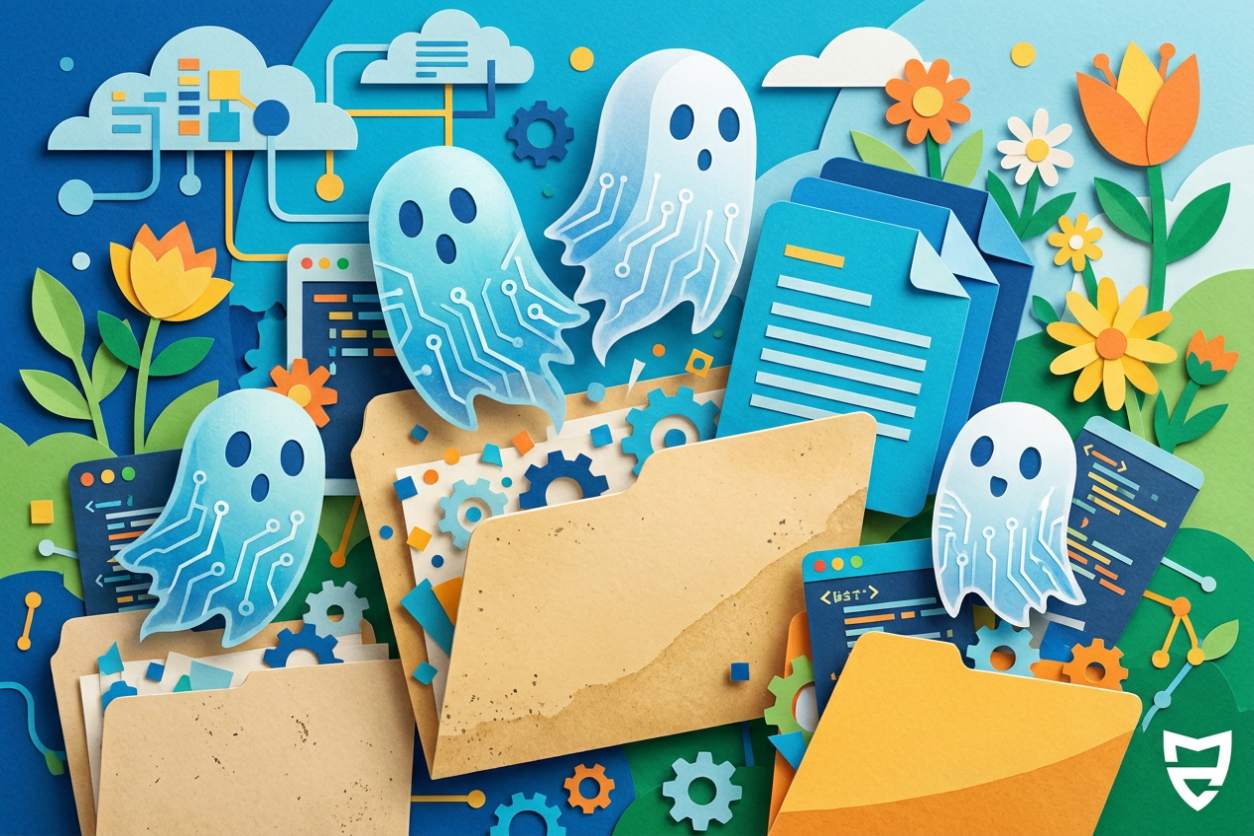
Halloween is just around the corner, and while you're stocking up on sweets and digging out the decorations, let's talk about something genuinely unsettling that might already be hiding on your computer: digital ghosts. I'm not referring to supernatural beings, but rather the hidden metadata that's haunting your old files right now.
Many people don't give a second thought to the information embedded in their documents, images, or presentations. We create something, save it, and share it, thinking the job is done. But it's not that simple. Every file you've ever created or edited carries a digital footprint, a collection of data about that data. This is metadata, and it often contains personal information you probably don't want widely accessible.
Consider this scenario: you're applying for a new job. You meticulously update your resume, crafting every word. You save it, perhaps as a PDF, and send it off. What you might not realize is that this "updated" resume could still contain the name of a previous company you applied to, the exact date and time it was last edited, or even the name of the author (which might be an old email address or a former employer's network login). This isn't just a hypothetical situation; I've seen countless instances of this exact problem. It's a privacy nightmare waiting to happen, all because of forgotten old file metadata.
The Silent Spies in Your Digital Life
Metadata isn't inherently bad; it serves a purpose. For photographers, EXIF data in images can reveal details like the camera model, lens used, shutter speed, and GPS coordinates. For businesses, document metadata helps track versions and authorship. However, when this data falls into the wrong hands, or is simply shared unintentionally, it becomes a liability.
Think about the sheer volume of files we create and share daily: emails, reports, presentations, family photos, even quick notes. Each one of these can carry sensitive old file metadata.
- Documents (Word, PDF, Excel): These can include author names, company names, revision history, creation dates, last modified dates, printing information, and even comments and tracked changes you thought were deleted.
- Images (JPEG, PNG): EXIF data can reveal the camera model, date and time of capture, GPS location (if enabled on your device), editing software used, and even serial numbers.
- Presentations (PowerPoint): Similar to documents, these may contain author information, company details, hidden slides, and notes.
It's astonishing how much information sits there, often completely invisible to the casual user. This is why paying attention to old file metadata is so important.
Why Should You Care About Old File Metadata?
Beyond the obvious privacy concerns, there are tangible risks associated with neglecting your file metadata.
Reputation Damage
Imagine sending a proposal to a potential client, only for them to discover old file metadata revealing you repurposed a document from a competitor. Or, worse, that the file was created by an intern who left the company months ago. This doesn't exactly project professionalism or attention to detail. Such an oversight can easily erode trust.
Security Vulnerabilities
While metadata itself isn't usually a direct security vulnerability, it can provide attackers with valuable intelligence for phishing or social engineering. Knowing the software you use, your internal network naming conventions, or even the names of key personnel can significantly aid bad actors in crafting more convincing attacks. A seemingly innocuous piece of old file metadata could be the missing puzzle piece for someone trying to breach your defenses.
Legal Headaches
In some industries, sharing documents with uncleaned metadata can even have legal ramifications. Compliance regulations often dictate how sensitive information should be handled. Accidentally leaking personal data through metadata could lead to fines or legal action, particularly under regulations like GDPR or CCPA. It's a quiet but very real threat.
Personal Privacy
For individuals, the stakes are equally high. We share photos with friends, resumes with recruiters, and personal projects with collaborators. Do you really want your home address embedded in that vacation photo you posted online? Or your previous employer's name still visible in your job application documents? This is where protecting your old file metadata becomes paramount.
Cleaning Up the Digital Graveyard
So, what's the solution to these digital ghosts? The answer is simple: metadata removal. This isn't about deleting the file itself, but about stripping away all that hidden, potentially sensitive information before you share it.
You might think you can just manually delete properties in Microsoft Word or Photoshop. And yes, you can. But it's often an incomplete solution. Those programs are designed for creation and editing, not for forensic-level metadata scrubbing. They often leave traces, or simply don't expose all the data points that are actually embedded. This is where a dedicated tool comes in.
MetaCleaner was built for this exact purpose. It's an online Software as a Service (SaaS) platform that specializes in cleaning your files' metadata. Our goal is to help you maintain your privacy and anonymity when sharing files online, ensuring those digital ghosts stay buried.
How MetaCleaner Works
The process is straightforward. You upload your file to our secure online platform. MetaCleaner then identifies and removes the various types of metadata embedded within that file. This includes everything from author information and revision history in documents to GPS coordinates in images. Once the cleaning process is complete, you download a fresh, metadata-free version of your file. It's quick, efficient, and most importantly, it's private. We don't store your files, ensuring your data remains yours and yours alone.
We believe that digital privacy shouldn't be complicated or inaccessible. It should be a fundamental right, and our platform is designed to make it easy for anyone to exercise that right. By removing old file metadata, you take back control of your digital footprint.
Don't Let Your Files Haunt You
The digital world is constantly evolving, and with it, the ways our personal data can be exposed. Being proactive about your online privacy is no longer optional; it's a necessity. That means understanding what information your files carry and taking steps to protect it.
Don't let the hidden old file metadata in your documents, images, and presentations become digital ghosts that come back to haunt you. Make metadata cleaning a regular part of your digital hygiene routine. It's a small step that can make a big difference in safeguarding your reputation, security, and personal privacy. Head over to MetaCleaner today and banish those digital specters for good. For more information on protecting your digital information, the Federal Trade Commission (FTC) offers excellent resources on online privacy and security practices. They are a good source for staying informed about consumer protection in the digital age.