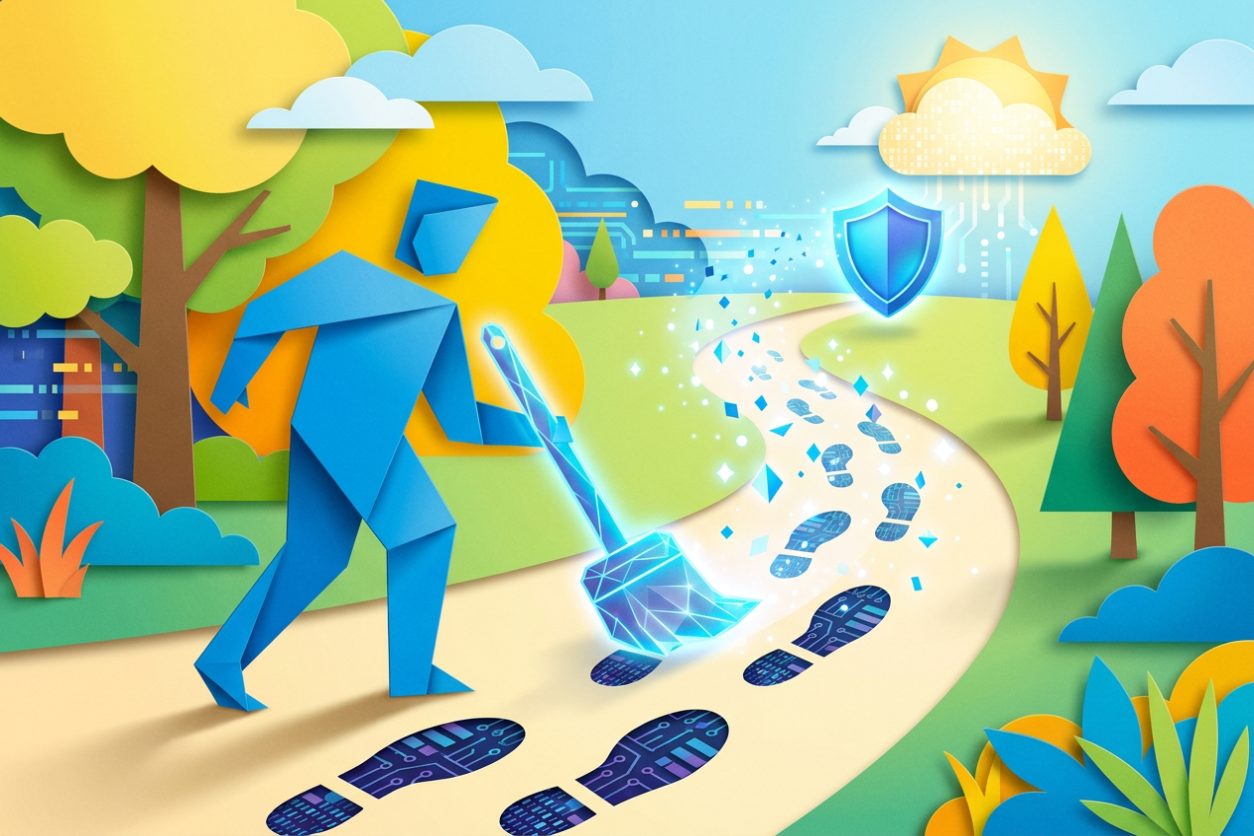
We live in a world where every click, share, and download leaves a digital trail. This "digital footprint" is growing rapidly. In 2026, with AI models becoming more sophisticated and data breaches a common occurrence, managing that footprint is essential. It's about protecting your online privacy, maintaining anonymity, and treating your data with respect. This isn't about paranoia; it's about being smart.
So, how do you future-proof your digital footprint? It starts with a thorough approach to file cleaning, especially concerning the hidden data within your documents, images, and other files.
The Invisible Data Trail: Why Metadata Matters
Most people consider their digital footprint to be the things they consciously post online, like social media updates or blog comments. That's certainly part of it. However, there's another, often overlooked, and much more widespread layer: metadata.
Consider this: every photo you take with your phone, every document you create in a word processor, and every PDF you export contains embedded information. This isn't the file's content; it's data about your data. It can include things like:
- Location data (GPS coordinates): From your vacation photos.
- Device information: What camera or phone you used.
- Author names: Who created the document.
- Creation and modification dates: When and where changes were made.
- Software versions: What program was used to generate the file.
- Printer information: Which printer was used to create a PDF.
This might seem harmless, but when you share these files, you're unintentionally sharing all this hidden information. Imagine sending a report to a client and unknowingly revealing your home address through the metadata in a PDF. Or uploading a picture to a public forum that contains the exact GPS coordinates of your child's school. It's a goldmine for anyone trying to piece together your personal life, and it's a significant vulnerability in your digital footprint.
The Shifting Landscape of Digital Privacy
The past few years have really highlighted how fragile online privacy can be. We've seen major tech companies scrutinized over data handling, governments implementing stricter regulations like GDPR and CCPA (with global counterparts continuing to evolve), and the general public becoming much more aware of how their data is used.
In 2026, this awareness isn't just a trend; it's a basic expectation. Users are demanding more control over their personal information, and businesses are being held accountable like never before. Ignoring this shift is a risky move for both individuals and organizations. It's not just about compliance; it's about building trust. Cleaning your files before sharing them publicly or with third parties is a fundamental step in respecting this new privacy environment.
Essential File Cleaning Strategies for a Smaller Digital Footprint
So, what can you actually do to shrink that digital footprint and protect yourself?
1. Be Mindful About What You Share
This might sound obvious, but it's your first line of defense. Before you upload any file, ask yourself:
- Do I absolutely need to share this?
- Is there sensitive information within the file content itself?
- Who will have access to this file once I share it?
If you're unsure, it's probably best not to share it, or to at least take extra precautions.
2. Embrace Metadata Removal Tools
This is where services like MetaCleaner come into play. Manually sifting through metadata in every file is a nightmare, if not impossible for most people. Dedicated tools exist specifically for this purpose.
MetaCleaner, for example, is an online SaaS platform designed to remove metadata from various file types. You upload your file, it processes it, and then you download a "clean" version. This process makes it incredibly easy to strip out those hidden data points that could compromise your privacy. It's an efficient way to enhance your digital footprint cleaning efforts without needing to be a tech wizard.
3. Regular Digital Decluttering
Just like you clean out your physical inbox, you should regularly declutter your digital one. Go through old files, downloads, and documents. Delete anything you no longer need. The less data you have floating around, the less there is to potentially expose. This also applies to cloud storage services. Don't just let files pile up indefinitely. A smaller data footprint is a safer data footprint.
4. Understand Your Device Settings
Your phone, your camera, your computer, they all have settings that control what kind of metadata is generated. For instance, you can often turn off GPS tagging for photos in your phone's camera settings. Take some time to review these settings and adjust them to prioritize your privacy. It's a proactive step in limiting the amount of information that gets embedded in your files from the start.
5. Encrypt Sensitive Files
For truly sensitive information, mere metadata removal might not be enough. Consider encrypting your files before sharing them. Encryption adds another layer of security, ensuring that even if the file falls into the wrong hands, the content remains unreadable without the correct key. This isn't directly related to metadata, but it's a crucial part of a holistic data security strategy.
The MetaCleaner Advantage: Simple, Secure, Anonymous
We built MetaCleaner because we believe digital privacy shouldn't be a luxury; it should be a basic expectation for everyone. Our platform makes digital footprint cleaning straightforward. You don't need to download software or have any technical expertise. It's an online service, meaning you can access it from anywhere, anytime.
The core benefit is the peace of mind that comes with knowing you're not inadvertently broadcasting personal or sensitive information every time you share a file. We focus on being secure, efficient, and private, which I think is non-negotiable in today's digital landscape.
Looking Ahead: A Proactive Approach
As we move further into 2026 and beyond, the digital world will only become more interconnected and complex. The need for robust digital footprint cleaning strategies will not diminish; it will only grow. Taking a proactive approach now, by understanding metadata, using reliable tools for its removal, and practicing good digital hygiene, will serve you well in the long run. It's an investment in your personal and professional anonymity.
Don't wait for a data breach or an embarrassing metadata revelation to take action. Start cleaning your files today and take control of your digital footprint. For more information on privacy and data protection, you might want to check resources from organizations like the Federal Trade Commission (FTC) or the Electronic Frontier Foundation (EFF), which provide valuable insights into consumer rights and digital liberties.