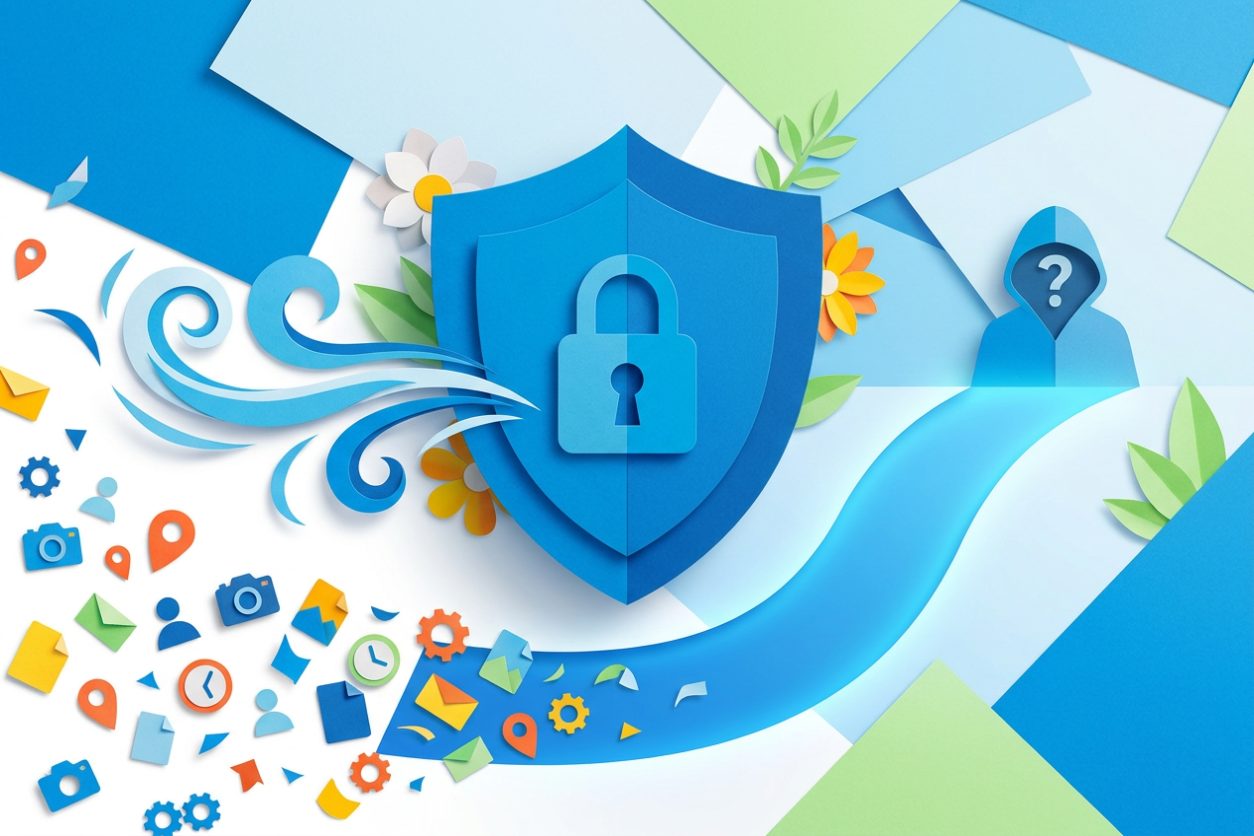
The Silent Threat: How Metadata Exposes You
Every digital action leaves a trace. Every photo you snap, document you draft, or presentation you build carries a hidden layer of information: metadata. This isn't just benign data; it's often a treasure trove for anyone looking to piece together your digital footprint, or worse, map out covert networks. I'm talking about location data, device specifics, creation dates, authors, and revision histories. It's all there, usually without you even knowing it.
Think about it. You send a "confidential" report, but the metadata reveals the name of the last person who edited it, the company server it originated from, and even the specific software version used. This isn't some far-fetched spy novel scenario; this is everyday digital life. For individuals and organizations trying to maintain a low profile or operate with a high degree of privacy, this invisible data leakage is a serious, often overlooked, vulnerability.
Beyond Individual Privacy: The Network Effect of Metadata
When we talk about metadata, most people immediately think of individual privacy. And yes, that's a huge part of it. But the implications stretch far beyond one person's data. Consider how seemingly innocuous details from multiple files, when aggregated, can reveal patterns, connections, and even entire covert networks.
Imagine a group of activists communicating and sharing documents. Each document, if not cleaned, might contain metadata linking back to individual devices, specific locations, or even shared network drives. An adversary, whether it's a state actor or a corporate competitor, can collect these fragments. They don't need to break encryption; they just need to gather enough breadcrumbs. Suddenly, what looked like disparate pieces of information coalesce into a clear picture of who is talking to whom, when, where, and about what. This is how covert networks are exposed, not through direct interception, but through the aggregation of seemingly minor metadata points.
For instance, a series of documents shared among a group might all have creation times within a specific window, indicating collaboration. Location data from images could place multiple individuals at the same sensitive meeting point. Device identifiers could link different users to the same shared hardware. These aren't just guesses; these are forensic facts embedded in your files.
The Rise of Metadata Forensics
The tools and techniques for extracting and analyzing metadata have become incredibly sophisticated. What was once the domain of niche security experts is now more accessible. Governments, law enforcement, and even private investigators regularly employ metadata forensics to gather intelligence. As we move further into an era where digital information is paramount, the ability to exploit metadata will only grow.
This isn't about paranoia; it's about pragmatism. If you're involved in anything that requires a degree of discretion, whether it's investigative journalism, human rights advocacy, or simply protecting proprietary business information, ignoring metadata is like leaving your front door unlocked. The threats are real, and the methods for exploiting this data are constantly evolving.
MetaCleaner: Your Shield Against Unseen Exposure
This is where MetaCleaner comes in. We built MetaCleaner because we saw this growing vulnerability. Our platform provides a straightforward, efficient way to strip away all that hidden, sensitive information from your files before you share them. We're talking about a tool that helps you regain control over your digital footprint and significantly enhance your digital anonymity.
How does it work? You upload your file to our secure online platform. MetaCleaner then meticulously scans and removes all identifiable metadata. This includes everything from author names and company details to creation dates, modification histories, and GPS coordinates embedded in photos. Once cleaned, you download a version of your file that is free of these digital breadcrumbs. It's a simple process, but its impact on your privacy and security is profound.
We understand that for many, privacy isn't just a preference; it's a necessity. That's why MetaCleaner focuses on being a reliable, easy-to-use service that puts you back in the driver's seat of your data. We don't store your files longer than necessary, and we certainly don't log your activity. Our entire model is built around the principle of helping you stay anonymous.
Practical Steps for Enhanced Digital Anonymity
Beyond using a service like MetaCleaner, there are other practices you should adopt to bolster your digital anonymity:
1. Be Mindful of File Origins: Always consider where a file came from. If you're working with sensitive documents, create them from scratch on a clean system if possible, rather than editing existing ones that might carry history. 2. Regularly Review Privacy Settings: Check the privacy settings on all your devices, apps, and online services. Many platforms default to sharing more data than you might realize. 3. Encrypt Sensitive Communications: Use end-to-end encrypted messaging and email services for all sensitive discussions. This protects the content, but remember, metadata cleaning protects the files you attach. 4. Understand Your Tools: Familiarize yourself with how the software you use handles metadata. Some programs offer built-in options to remove metadata, though they might not be as comprehensive as a dedicated tool. 5. Use a VPN: A Virtual Private Network can help mask your IP address and location, adding another layer to your digital anonymity strategy.
The Electronic Frontier Foundation (EFF) and Privacy International are excellent resources for staying informed about digital rights and privacy best practices. I recommend checking out their websites for more guidance on protecting yourself in the digital age.
The Future of Privacy and Covert Operations
As technology advances, so too do the methods of surveillance and data extraction. The fight for digital anonymity isn't static. Services like MetaCleaner are crucial because they directly address a fundamental vulnerability that often goes unnoticed. Disrupting covert networks, whether they're legitimate security operations or malicious actors, starts with understanding and controlling the data that tells their story.
By making metadata cleaning a standard practice, we collectively raise the bar for digital security. We make it harder for adversaries to connect the dots, to map out relationships, or to track movements. It's a proactive step in a world that often feels reactive to privacy threats. Your digital privacy, and the security of any network you're a part of, truly depends on these overlooked details. Don't let hidden data be your undoing. Take control with MetaCleaner.